




Upcoming events related to SET.


Why Broker Integration Matters When Maintaining an Accurate Trading Journal
A trading journal is often described as a record of decisions, outcomes, and observations. In practice, it is much more useful when it provides a reliable account of what actually happened in each trade. That requires more than writing down an entry price after the fact or relying on memory at the end of a busy day.
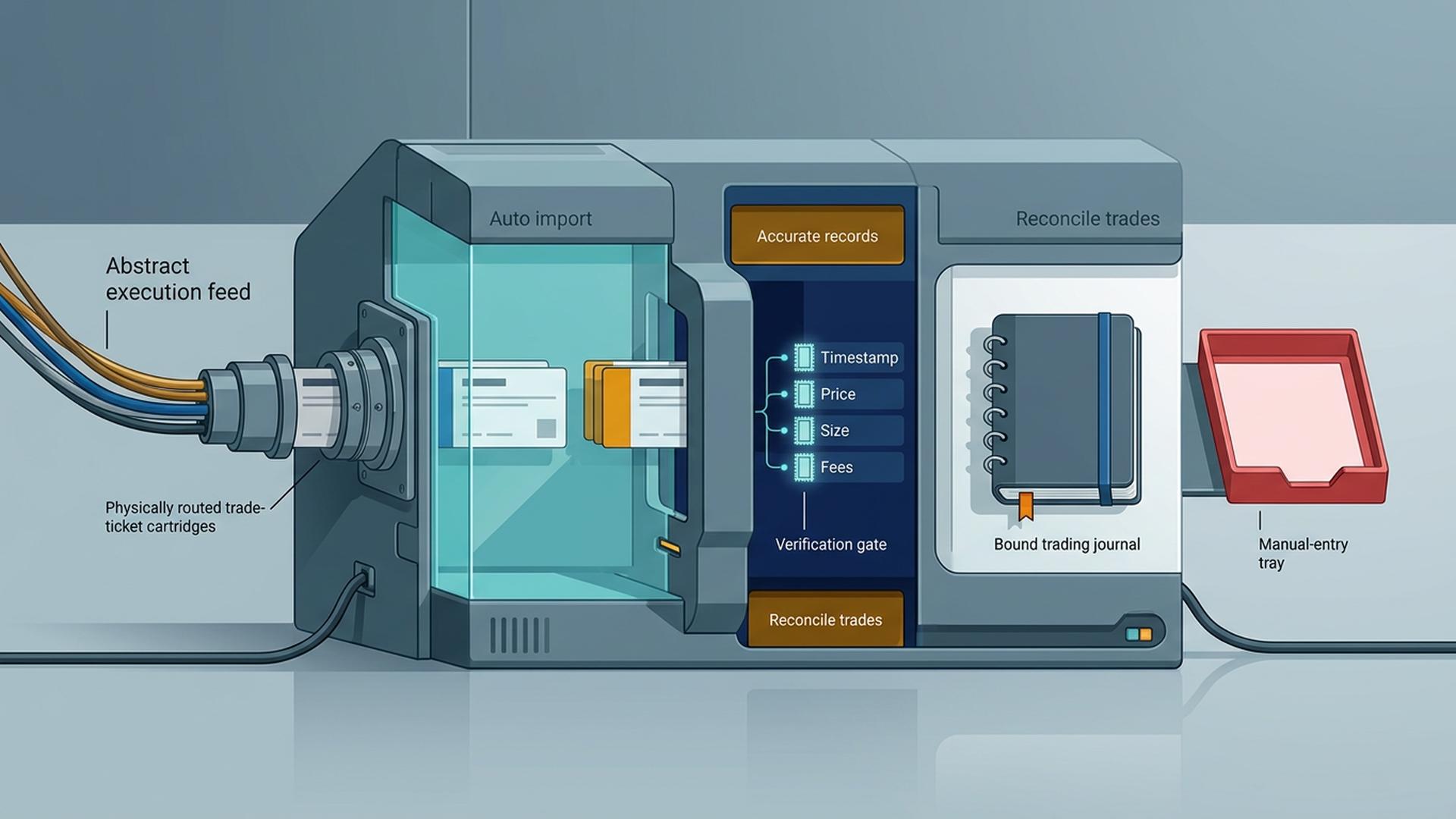
Broker integration helps close the gap between intention and evidence. Automatically bringing executed trades, timestamps, fees, position sizes, and other transaction details into a journal gives traders a more complete basis for reviewing their activity. The result is not a shortcut to better performance, but a clearer and more dependable record for analysis.
A Professional Trading Journal Solution From RizeTrade
A Simple Link Between Execution and Review
RizeTrade provides a professional solution for traders who want to maintain an accurate journal without manually reconstructing every transaction. Its broker integration capability enables trading activity to flow into the journal directly, creating a practical connection between what was executed through a broker and what is later reviewed.
This is the simplest and most effective way to reduce administrative friction while maintaining a well-organized record of trades. Instead of spending valuable time copying figures from brokerage platforms, users can focus on adding the context that automated data cannot capture, such as their reasoning, confidence level, and market observations.
The Difference Between a Record and a Reliable Record
Manual Entries Can Leave Important Gaps
A manually maintained journal can still be valuable, particularly for recording the thinking behind a position. However, manual input creates room for small discrepancies. A trader might enter an intended order size rather than the filled size, omit a partial execution, or overlook a commission that affected the final result.
Those details may appear minor on an individual trade. Over a longer period, though, repeated omissions can make it harder to assess trading activity accurately.
Execution Data Adds Needed Precision
Broker-generated data reflects the transaction as it was actually completed. It can include the instrument, entry and exit times, fill prices, quantity, order type, fees, and realized result. When this information appears in the journal automatically, it gives every review a more factual starting point.
Accurate timestamps are especially useful for active traders. They make it easier to distinguish between a quick reaction to market movement and a position that was held according to a pre-planned timeframe.
A journal built around execution data also makes it easier to compare behavior across different market conditions. Traders can review whether their activity changed during high volatility, around major economic announcements, or at particular times of day.
Partial Fills and Fees Need to Be Accounted For
One Order Does Not Always Mean One Execution
Many trades are not filled in a single transaction. Larger orders, less liquid instruments, and rapidly moving markets can result in partial fills at different prices. If a journal contains only one estimated entry price, the calculation may not reflect the actual average cost of the position.
Broker integration captures these details as they occur. This can help ensure that the journal reflects the real path of the trade rather than a simplified version reconstructed later.
Trading Costs Belong in the Full Picture
Commissions, exchange fees, financing charges, and other costs can affect the final outcome of a trade. These costs are easy to miss when entries are added manually, particularly when a trader is working across multiple accounts or markets.
Including them automatically supports a more complete review. It separates the gross movement in an instrument from the net result recorded by the brokerage account.
Better Data Makes Patterns Easier to See
Reviewing Behavior Instead of Rebuilding History
A journal should support reflection, not create a second administrative workload. When transaction data is already present, a trader can spend review time examining decision-making patterns rather than checking whether numbers were copied correctly.
This matters when looking for recurring tendencies. A trader may notice, for example, that positions are frequently closed earlier than planned, that certain setups are traded more often than expected, or that activity increases during particular sessions.
Useful Categories for Trade Reviews
Reliable broker data becomes more meaningful when it is paired with consistent journal notes. A useful review can group trades by factors such as:
- Market or asset class
- Strategy or setup type
- Time of day
- Planned holding period
- Entry rationale
- Exit rationale
- Emotional state or level of conviction
These categories do not need to be overly complicated. Their purpose is to help turn raw executions into a structured account of trading behavior.
Consistency Matters More Than Perfect Labels
A trader does not need an elaborate classification system to benefit from a journal. A small number of consistently applied tags is generally more useful than dozens of categories that are used inconsistently.
Broker integration supports that consistency by ensuring the baseline transaction data is already correct. The trader can then add qualitative observations without having to repeat information the broker has already recorded.
Multiple Accounts Can Complicate the Journal
Fragmented Data Creates Fragmented Reviews
Traders may use separate accounts for different strategies, asset classes, or brokers. Without an integrated approach, reviewing activity can mean moving between platforms, exporting statements, and combining information manually.
That process increases the chance of duplicate entries, missing transactions, and inconsistent calculations. It can also make it difficult to see the full scope of activity over a selected period.
A Unified View Supports Clearer Oversight
When broker data is brought into one journal environment, it becomes easier to review trading activity in context. A trader can distinguish between trades made in different accounts while still retaining an overall view of timing, exposure, and trade frequency.
This is particularly helpful when the same instrument appears across multiple accounts. Clear account-level data prevents trades from being treated as unrelated when they were part of a broader decision process.
Automation Still Leaves Room for Personal Judgment
Data Explains What Happened, Notes Explain Why
Broker integration is highly effective at recording execution details, but it cannot fully explain the thinking behind a trade. A journal remains most valuable when automated records are supplemented with concise personal notes.
A trader might document the market condition, the level that mattered, the reason for taking the position, and the condition that would invalidate the original idea. These notes provide context that broker records alone cannot supply.
The Best Review Combines Both Types of Information
Execution data offers objective evidence, while written observations provide the trader's perspective at the time. Together, they create a more balanced record. The journal can show not only when a trade was opened and closed, but also whether the decision followed the trader's own process.
This combination can make future reviews more grounded. Rather than relying solely on memory, the trader can compare original reasoning with the recorded sequence of events.
Accuracy Creates a Stronger Review Habit
Small Details Support More Honest Reflection
An accurate trading journal is not about presenting a flawless history. It is about creating a record that is detailed enough to support honest, practical reflection. Broker integration reduces the chance that forgotten fees, partial fills, or incorrect timestamps distort that record.
When the underlying information is dependable, traders can devote more attention to understanding their process, documenting their decisions, and maintaining a consistent review routine.
FOLLOW US

Presidency

Secretariat

WiTEC Partners